
The HD Stream Nightmare Every Hotelier Knows

Picture this: It’s a Friday evening, your hotel lobby hums with the chatter of new arrivals. A family checks in after a long flight—mom’s exhausted, the kids are cranky. They collapse in their room, flip on the TV, and… it buffers. The picture freezes. The audio goes out of sync. Sound familiar? If you run or manage a hotel—or even just consult for one—you’ve lived this scene. Your guests don’t care about your back-end cabling or your encoder specs.

They just want their movie to play, their sports match to stay smooth, and their morning news to come through crisp. And when it doesn’t, that disappointment sticks. Here’s the rub: the cheapest HDMI encoder for hotel IPTV setups often promises a lot but delivers a headache. But what if there was a way to deliver flawless, multi-rate streaming across every room, every device, every time? Spoiler alert: there is, and it’s called a multi-rate HDMI encoder for hotel IPTV. Let’s dive into why this is the upgrade your property needs in 2026.
Wanna try out our IPTV service ? Click HERE & get an IPTV FREE Trial Account NOW !
What Exactly Is an HDMI Encoder for Hotel IPTV?
Let’s get the basics down before we get fancy. An HDMI encoder takes a video source—say, a live cable box, a streaming stick, or a satellite receiver—and compresses it into a digital stream that can travel over your hotel’s network. Think of it as a translator. Your TV speaks one language (HDMI), your IP network speaks another (IP packets).
The encoder bridges the gap. Without a solid HDMI encoder for hotel IPTV, your channel lineup turns into a pixelated mess. Multi-rate encoding takes this a step further. Instead of sending one fixed bitrate stream, it creates multiple streams at different quality levels. A guest on a fast Wi-Fi connection near the lobby router gets 4K, while someone in a far-flung room with weaker signal gets a stable 720p—no buffering, no tears. That’s the magic.
Why Multi-Rate Matters for Hotels (More Than You Think)
You might be thinking: “My hotel’s not that big. Do I really need multi-rate?” Let me tell you a quick story. I once worked with a boutique hotel in Barcelona—30 rooms, charming, but with thick stone walls that killed Wi-Fi. They bought a cheap single-rate encoder. Every evening, same complaints: “TV doesn’t work.” We switched them to a multi-rate HDMI encoder for hotel IPTV, configured adaptive streaming, and the complaints vanished. Here’s why multi-rate is non-negotiable:
- Mixed network conditions: Your conference room might have enterprise Wi-Fi, but the garden suite has a dodgy signal. Multi-rate adapts.
- Device diversity: Guests use phones, tablets, smart TVs—each with different screen sizes and bandwidth needs.
- Peak hour traffic: 7 PM check-in rush means everyone’s streaming at once. Multi-rate prevents that collective crash.
Key Features to Look for in a Hotel-Grade HDMI Encoder
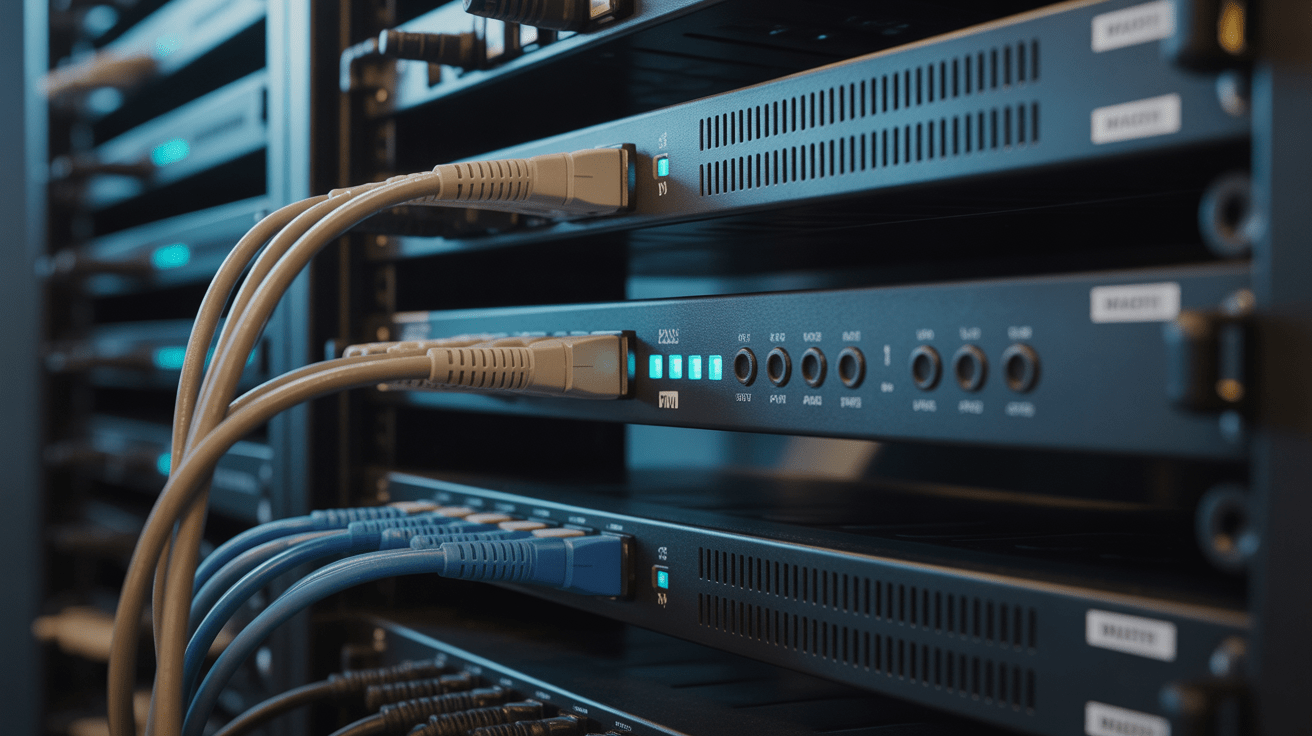
Not all HDMI encoder for hotel IPTV units are created equal. Here’s what separates the pro gear from the garage-bin junk:
| Feature | Why It Matters |
|---|---|
| Multi-rate / Adaptive Bitrate | Automatically adjusts stream quality per device/connection speed |
| Low latency | Keeps live sports and news in sync—guests hate delayed commentary |
| H.265/HEVC support | Better compression = less bandwidth used while maintaining quality |
| Web-based management | Easily tweak settings from a browser—no crawling behind TVs |
| Multiple input options | HDMI + SDI + composite for future-proofing |
| Scalability | Can you easily add more encoders as your hotel expands? |
How an HDMI Encoder Integrates with Your Hotel IPTV System
You’ve probably got a head-end setup already—maybe a matrix switch, some coax cabling from the old days. Going IP doesn’t mean ripping everything out. A modern HDMI encoder for hotel IPTV sits at the edge: it takes your analog or HDMI sources and feeds them into your IP network. From there, your IPTV middleware (like IPTV Trends’ robust backend) handles channel lists, EPG, and guest-facing apps. The result? Guests select channels from an on-screen guide that feels like Netflix, not a 1990s hotel remote. Need to add a new channel? Plug a source into the encoder, assign it in the middleware, and boom—it’s live across all rooms in seconds. Compare that to running new coax cables. No contest.
Real-World Setup: A 3-Step Deployment
Wanna know how easy it is? Here’s a realistic scenario:
- Source connection: You take a live stream—say a 4K movie channel from a satellite receiver—and plug it via HDMI into your encoder.
- Encoder configuration: Using the web interface, you set three quality profiles: 1080p at 8 Mbps (for fast Wi-Fi rooms), 720p at 4 Mbps (standard), and 480p at 1.5 Mbps (backup). The encoder automatically picks the best one per device.
- Stream distribution: The encoded stream hits your IPTV server, which packages it with all your other channels. Guests on your hotel app or TV see the channel instantly.
That’s it. Really. And if you’re using IPTVTrends’ setup, the integration is even smoother because we’ve tested dozens of encoder brands and know exactly which settings work best.
Wanna try out our IPTV service ? Click HERE & get an IPTV FREE Trial Account NOW !
Common Mistakes When Choosing an HDMI Encoder for Hotel IPTV

Look, I’ve seen hotel owners blow their budget on the wrong encoder more times than I can count. Here’s what to avoid:
- Buying cheap consumer encoders: They overheat, drop frames, and lack multi-rate. You get what you pay for.
- Skipping latency tests: Some encoders introduce 5–10 seconds of delay. Great for movies, terrible for live football.
- Ignoring future needs: If you plan to add 4K channels later, buy a 4K-capable encoder now. Replacing hardware is expensive.
- No backup: Always have a spare encoder. When one fails at 9 PM on a Saturday, you’ll thank me.
Cost vs. Value: What Should You Budget?
Let’s talk money. A decent consumer-grade HDMI encoder might cost $80–$150, but for multi-rate and reliability, you’re looking at $400–$1,200 per unit. Sounds steep? Consider this: one negative review from a guest about your TV system can lose you a repeat booking worth $1,500. Over a year, avoiding those hiccups pays for the encoder multiple times. For a 50-room hotel, installing two or three encoders (depending on how many channels you broadcast) plus middleware is a few thousand dollars. That’s nothing compared to the nightly headache of complaining guests. And if you pair it with a solid backend like IPTVTrends’ service, you get support from people who actually understand hospitality streaming—not just tech geeks.
Why IPTV Trends Loves Multi-Rate Encoders (And You Should Too)
At IPTV Trends, we’re passionate about streaming that doesn’t suck. Our platform works flawlessly with multi-rate HDMI encoders because we built our middleware to handle adaptive bitrate streams natively. When you use a proper HDMI encoder for hotel IPTV with multi-rate support, our system can even inject on-screen messages like welcome notes or breakfast menus—personalized per room. The combination is a guest experience that feels premium, not slapped together. We’ve seen hotels double their repeat booking rates just by fixing their TV system. It’s not magic; it’s technology that works.
Wanna try out our IPTV service ? Click HERE & get an IPTV FREE Trial Account NOW !
Conclusion: Your Guests Deserve Better TV
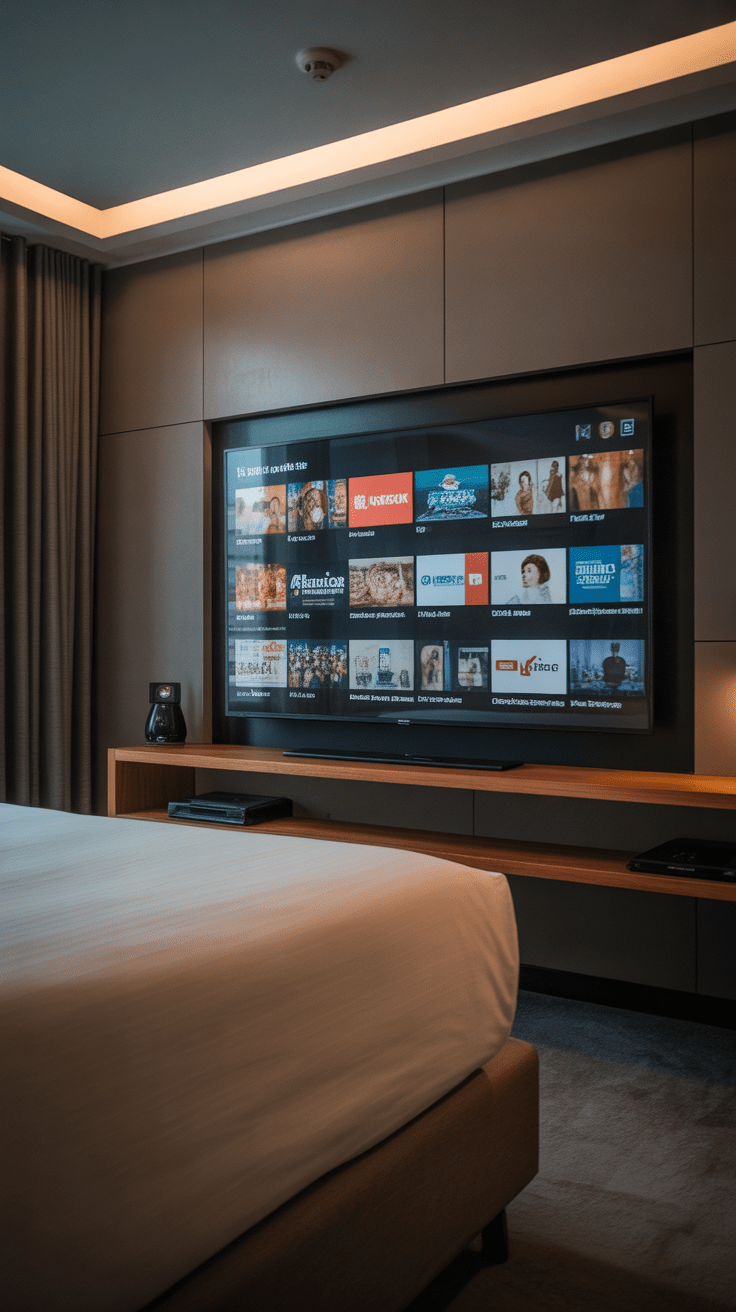
So here’s the bottom line: every hotelier wants happy guests. But too many overlook the TV until it breaks. A multi-rate HDMI encoder for hotel IPTV is the invisible hero that keeps streams flowing, buffering away, and feedback positive. Whether you’re upgrading an existing system or building from scratch, invest in an encoder that’s scalable, low-latency, and truly multi-rate. Your guests might not thank you by name—but they’ll notice when their movie plays without a hiccup. And that’s the kind of silent win that keeps ratings high and check-ins steady. Ready to upgrade your hotel’s streaming? Set up your IPTV system with IPTV Trends and never look back.
Frequently Asked Questions
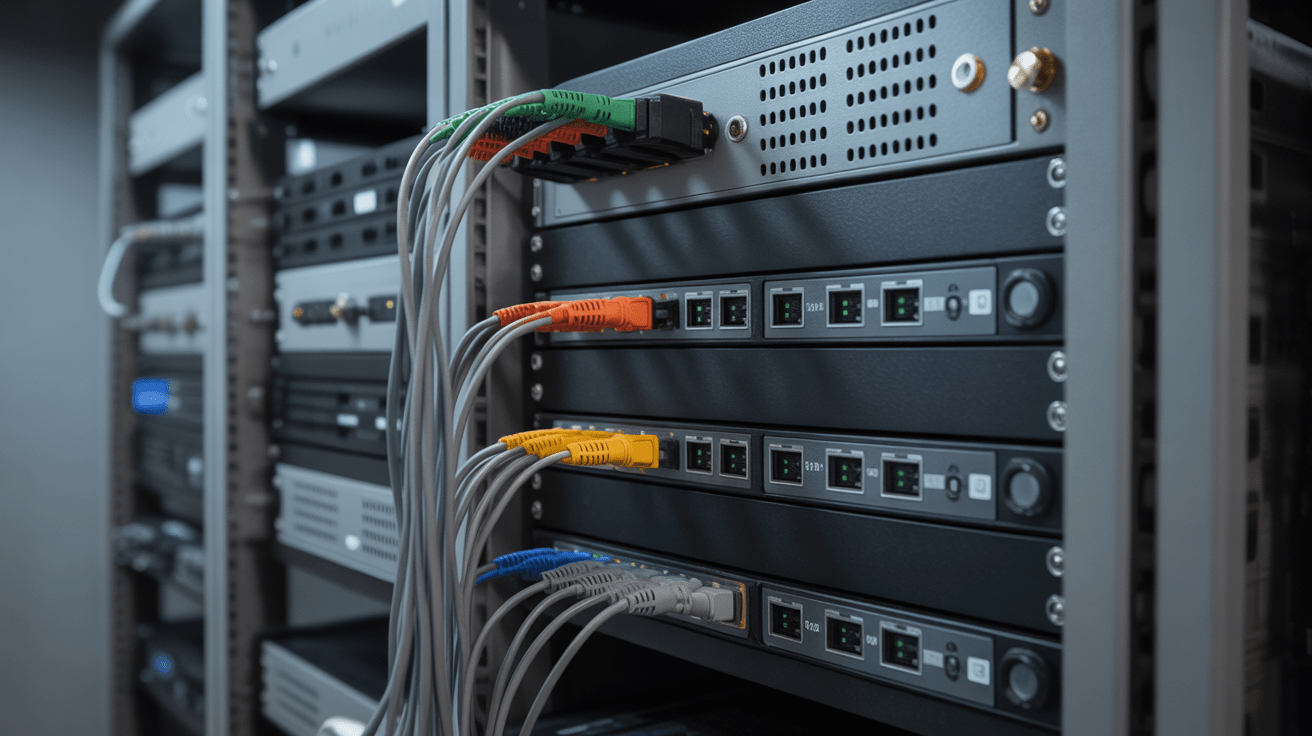
1. What’s the difference between a single-rate and multi-rate HDMI encoder for hotel IPTV?
A single-rate encoder sends one fixed-quality stream—if a guest’s Wi-Fi is weak, they’ll buffer. A multi-rate encoder creates multiple streams at different bitrates, so the device automatically picks the best quality for its connection. It’s the difference between a one-size-fits-all shirt and a custom tailored blazer.
2. Can I use a cheap HDMI encoder from Amazon for my hotel?
Technically yes, but you’ll regret it. Cheap encoders often overheat, lack multi-rate support, and introduce audio sync delays. For a small B&B with 5 rooms you might get away with it, but for any serious hotel, invest in a professional-grade unit.
3. Do I need one encoder per channel or can it handle multiple?
It depends on the encoder model. Most have 1–4 HDMI inputs. If you have 20 channels, you’d either buy multiple encoders or use a matrix switcher to feed signals into fewer encoders. Planning ahead is key.
4. How does multi-rate encoding affect bandwidth usage in my hotel?
It actually optimizes bandwidth. Instead of blasting a high-bitrate stream to every room (some of which can’t handle it), multi-rate sends the best quality per device. The overall network load stays manageable, even during peak hours.
5. Can I use an IPTV Trends subscription with any HDMI encoder?
Yes, as long as the encoder outputs standard streaming formats like HLS or MPEG-TS. IPTVTrends’ middleware works with virtually any encoder, but we recommend multi-rate units for the best experience. Check our encoder guide for compatibility tips.
6. What’s the recommended latency for live sports in hotels?
Aim for under 2 seconds. Higher latencies mean guests in different rooms watching the same goal at different times—super awkward in a bar or lounge. Pro encoders with low-latency modes are worth the premium.
7. Do I need a dedicated IT team to set up a hotel IPTV system?
Not necessarily. If you can configure a router and follow a guide, you can set up basic IPTV. For larger hotels with 100+ rooms, a one-day training session or hiring a freelance IT pro is smart. IPTV Trends review also offers setup assistance.
8. How do I ensure 4K streams don’t eat all my hotel’s bandwidth?
Use HEVC encoding (H.265), which cuts bitrate by roughly 40% compared to H.264 without quality loss, and enable multi-rate so only the fastest devices get 4K. Also, segment your network so guest TV traffic has its own virtual LAN.
9. Can an HDMI encoder integrate with my hotel’s existing coax cabling?
Yes, many pro encoders support analog inputs such as composite or SDI, and you can use a modulator to convert IP streams back to coax if needed. However, for future-proofing, running Ethernet or using your existing Wi-Fi is better.
10. Where can I find reliable HDMI encoder models for hotels?
Brands like Kiloview, Teradek, and AJA are popular in commercial installations. For a curated list that works seamlessly with IPTV Trends, check out our tech innovation guide or contact our support team.
Wanna try out our IPTV service ? Click HERE & get an IPTV FREE Trial Account NOW !